
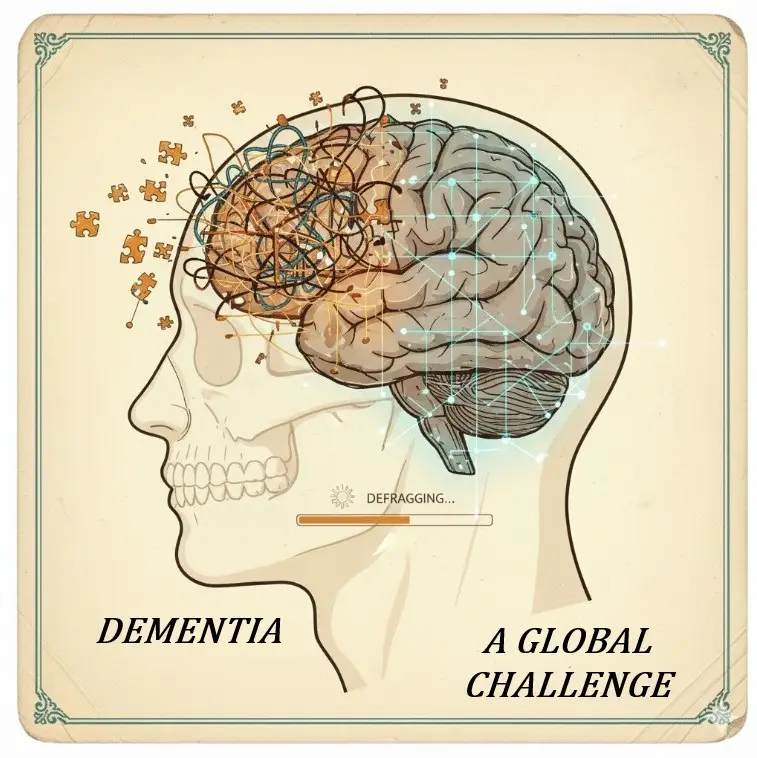
A forgotten appointment can happen to anyone. Dementia is different because the changes become frequent enough to interfere with everyday life, independence, communication, judgment, or familiar routines. For the person experiencing those changes, and for the people close to them, uncertainty can feel far more troubling than a missed word or misplaced key.
Dementia is not a normal or inevitable part of getting older. It is a general term for symptoms caused by changes in the brain. Memory may be affected, but memory loss is not the whole picture. Some people first notice trouble finding words, following a conversation, managing familiar tasks, recognizing places, judging distances, or keeping track of time.
A calm, informed response matters. It helps families move beyond guesswork, seek appropriate support, and protect the dignity of the person at the center of the experience.
What Dementia Can Look Like
Dementia affects people differently. Symptoms often develop gradually, and their pattern depends on the underlying cause. Alzheimer’s disease is the most common cause, but vascular dementia, Lewy body dementia, frontotemporal dementia, and mixed dementia are also common. Each can affect thinking, movement, mood, behavior, and daily abilities in different ways.
Early changes may be subtle. A person may repeat the same question because they do not remember asking it. They may struggle to follow a recipe they have made for years, become confused in a familiar store, or need much more time to organize bills and appointments. Some people withdraw from social activities because conversation or decision-making has become tiring.
These signs should not be used to diagnose someone at home. Stress, depression, poor sleep, medication side effects, hearing loss, thyroid problems, infections, and vitamin deficiencies can also affect memory and thinking. That is one reason a professional assessment is so valuable: some causes of confusion or memory difficulty may be treatable.
When a Checkup Is Worth Arranging
If changes are persistent, worsening, or affecting daily safety, make an appointment with a doctor or qualified health professional. It can help to bring specific examples rather than relying on a general feeling that something is wrong. Note when the changes began, whether they came on slowly or suddenly, how often they happen, and whether there have been changes in sleep, mood, medications, pain, illness, or alcohol use.
A sudden change in confusion, speech, balance, vision, or alertness needs urgent medical attention. Sudden symptoms can have causes that require immediate care and should not be assumed to be dementia.
An assessment may include a conversation about health history, a review of medications, simple thinking and memory questions, physical checks, blood tests, and sometimes brain imaging. The process can feel intimidating, yet it is not a test of a person’s worth or intelligence. It is a practical step toward understanding what support may help.
A diagnosis, if one is made, can bring difficult feelings. It can also open the door to planning, treatment for certain symptoms, services, and clearer conversations about preferences. People deserve to be included in those conversations for as long as possible.
Supporting Someone With Dementia Day by Day
Support does not always mean doing everything for someone. Often, the most helpful approach is to reduce unnecessary pressure while preserving choice. A familiar routine, clear surroundings, and one step at a time can make daily life feel more manageable.
Speak calmly and use short, direct sentences. Give the person time to respond. If they cannot find a word, avoid rushing in too quickly or correcting every mistake. A gentle prompt, a picture, or showing rather than explaining can be more useful than repeating a long instruction.
Predictability can lower stress. Keeping glasses, keys, medications, and important papers in consistent places may reduce frustration. Labels, a visible calendar, a simple clock, and regular meal times can also provide useful cues. The right level of support depends on the person and can change over time.
Emotions are real even when facts are confused. If someone says they need to go home while sitting in their own living room, arguing about the address may increase distress. It is often kinder to respond to the feeling first: “You seem worried. Let’s sit together for a moment.” Then offer comfort, a familiar activity, or a change of scene.
Care partners need support too. Helping a loved one can be rewarding, exhausting, and lonely, sometimes all in the same day. Sharing responsibilities, taking regular breaks, and asking for practical help early are signs of good planning, not failure.
Mental Activity and Dementia: A Balanced View
Many adults enjoy puzzles, reading, music, crafts, conversation, gardening, and learning new skills because these activities bring focus and pleasure. A simple daily activity can add structure to a quiet morning or create a welcome sense of accomplishment.
Mental activity may support general well-being, attention, confidence, and social connection. However, no puzzle, app, supplement, or single habit can guarantee prevention of dementia or cure it. Claims that a game can stop dementia are not responsible or supported by the complexity of the condition.
What can be helpful is choosing activities that feel achievable rather than frustrating. For someone who enjoys number puzzles, an easy Sudoku routine can provide a calm moment of concentration without requiring math skills. Sudoku123 teaches a simple 1-2-3 approach designed for beginners who want a gentle brain exercise, not a difficult competition.
The goal is not to push toward harder puzzles or prove mental ability. The value may be in returning to a familiar, enjoyable routine, noticing small successes, and staying engaged with something meaningful. If an activity causes repeated distress or confusion, simplify it, do it together, or choose something else.
A wider pattern of healthy living also matters. Regular movement suited to a person’s ability, good sleep, hearing and vision care, managing health conditions, nourishing food, social contact, and avoiding smoking can all support overall brain and body health. These steps do not offer certainty, but they are worthwhile parts of everyday care.
Keeping Dignity at the Center
A person with dementia remains a whole person, with preferences, history, humour, relationships, and abilities. The diagnosis does not erase these things. Even when language or memory changes, music from earlier years, familiar photographs, favourite foods, pets, and shared rituals can still create a connection.
If the person (your loved one?) has been using sudoku puzzles previously, you may like to take a look at the new easy-solving method detailed on the website
Returning to a familiar routine may assist a person diagnosed with Dementia. Just as music can bring forward clear and concise recollections, so it may be possible to bring forward a previously enjoyed puzzle routine.
Little research has been done on this topic, so care should be taken. Please seek professional advice before proceeding.
Try to involve the person in ordinary decisions whenever possible. Would they prefer tea or coffee? A walk now or after lunch? The blue sweater or the green one? Small choices protect autonomy and can reduce the feeling that life is being taken over by others.
It also helps to look ahead with compassion. Discuss practical matters while conversations are easier, including who can help with finances, health decisions, transportation, and home safety. These discussions are not pessimistic. They are a way of respecting a person’s wishes and reducing pressure later.
A Gentle Next Step
If you are worried about changes in memory or thinking, write down a few specific examples and arrange a health check. If you are supporting someone else, focus on one manageable improvement today: a quieter conversation, a clearer routine, a shared cup of tea, or a few minutes with an activity they enjoy.
Dementia can change the shape of daily life, but kindness, patience, and meaningful moments still have a place in every day.